3 Ways to Boost Your Garden's Health With the Right Sprinkler System
Most struggling beds are not underfed. They are watered on somebody else's schedule.
September 10, 2026 · 4 min read
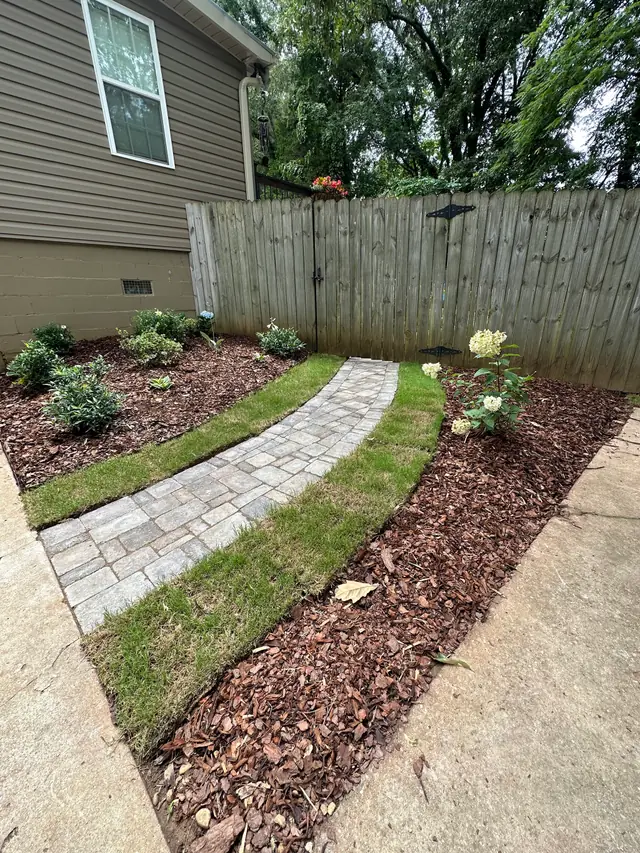
When a planting bed underperforms, the usual first response is fertiliser. Sometimes that is right. More often the bed is being watered by a system that was designed around the lawn, on a schedule the lawn wanted, and the plants are simply making the best of it.
Irrigation done properly is not about keeping a garden alive. It is about giving each part of it the amount and the frequency it actually wants. Here are the three changes that make the biggest difference.
1. Separate the beds from the lawn
This is the single most useful thing you can do for planting health, and it is structural rather than clever. Turf and beds have different root depths, different evaporation rates and different tolerances for wet feet. Turf wants frequent, relatively shallow watering across a wide area. Established shrubs want less frequent, deeper watering delivered close to the root zone.
Put them on the same valve and you are forced to compromise. Run it for the lawn and the beds stay too wet, which is how root rot and fungal problems start. Run it for the beds and the lawn browns off in July. Neither is a plant problem. It is a plumbing decision made years earlier.
Splitting them means the beds can be watered on their own schedule, and in many cases with different hardware entirely, delivering water at soil level instead of throwing it across the foliage.
2. Water at the root, not across the leaves
Overhead spray onto dense planting causes two problems at once. A good proportion of the water never reaches the soil, because it sits on foliage and evaporates. And the foliage that stays damp overnight is an invitation to mildew and leaf spot, particularly through a humid North Alabama summer.
Delivering water to the ground under the plant solves both. The soil gets what you paid for, and the leaves dry out. It also means you can water in the early morning without leaving the garden wet through the heat of the day.
3. Group plants by what they actually need
Zoning is usually described as an efficiency measure, which undersells it. It is really a plant health measure.
Group ground that behaves the same way. A bed in full afternoon sun against a brick wall is a different environment from a shaded border on the north side, even if they are twenty feet apart. Sun exposure, slope, soil and root depth all change how fast an area dries. If those areas share a valve, one of them is being over watered every single cycle.
Slope matters more than people expect. Water applied to a slope faster than the ground can absorb it runs off, so the top stays dry and the bottom stays saturated. The fix is not more water, it is shorter cycles repeated, which lets each application soak in before the next arrives.
How to tell which one is your problem
Dig a small hole at the edge of a struggling bed the morning after a cycle. If the top two inches are damp and it is dry underneath, the water is not penetrating and you probably need longer or repeated cycles. If it is wet several inches down and staying that way, the bed is being over watered, and the plant is drowning rather than starving.
That five minute check will tell you more than a season of guessing, and it costs nothing.
Water early, and water less often than you think
Timing does almost as much work as hardware. Watering in the early morning gives the soil hours to absorb before the heat arrives, and lets any foliage that did get wet dry out during the day. Watering in the evening leaves a garden damp overnight, which is the condition fungal problems need.
Frequency matters in the opposite direction from instinct. Frequent shallow watering trains roots to stay near the surface, where they are most exposed to heat and most dependent on you. Less frequent, deeper watering pushes roots down into soil that holds moisture longer. The plant becomes more resilient rather than more needy, and the system runs less.
A bed of established shrubs that is watered deeply twice a week will almost always outperform the same bed watered lightly every day, on less total water.
Getting the design right the first time
All three of these are design decisions, which means they are cheapest at the point the system goes in and most expensive to retrofit after paving and mature planting are in the way. It is why we walk a property and draw the zones around what is actually there before anything is specified.
B and C Irrigation Systems has been designing and installing systems in Huntsville since 1999. We carry Rain Bird, and every installation comes with a one year warranty. Estimates are free and in person. Call (256) 286-4108, and Se Habla Espanol.
B & C Irrigation Systems, (256) 286-4108
Call (256) 286-4108More articles
10 Reasons to Upgrade Your Old Sprinkler System This Season
Most systems do not break. They quietly get worse, and the water bill is the only thing that notices.
4 Questions to Ask Before Hiring an Irrigation Company
Most of an irrigation system is buried. These four questions tell you what you cannot see.