A New Homeowner's Guide to Landscape Drainage for Lawns
Buy a house in spring and you will not meet its drainage problem until the first heavy autumn rain.
September 10, 2026 · 3 min read
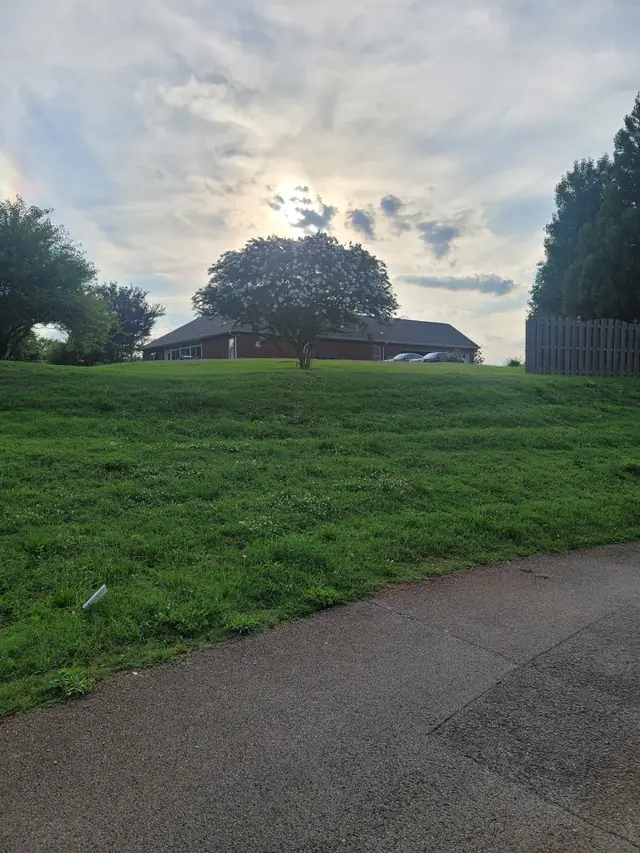
Drainage is the part of a property nobody inspects before buying and everybody notices afterwards. If you moved in during a dry stretch, the yard has not yet shown you what it does with several inches of rain in a day.
This is a guide to working out what you have got, in the order that makes sense.
Start by watching, not digging
The most valuable thing you can do in your first year costs nothing: go outside during heavy rain and look. Where does water arrive from? Where does it collect? How long does it take to disappear once the rain stops?
Take a photograph. Standing water tells you where the low point is far more reliably than eyeballing a lawn on a dry day, and a photo taken during the event is worth more than a description given three months later.
The morning after, walk the yard and note anything still soft underfoot. Ground that is still saturated a day later is not draining. Ground that is merely damp is fine.
The three questions that decide everything
Where is the water coming from, where does it collect, and where is it physically able to leave to.
That third question is the one most often skipped, and it is the one that determines whether a drainage installation works. A drain has to discharge somewhere lower, somewhere legal, and somewhere that is not simply your neighbour's problem instead of yours. Working that out first is what separates a drainage system from a hole with a pipe in it.
The five systems and what each one is for
Catch basin drainage collects standing water at a low point and pipes it away. This is the answer when you have a defined puddle that forms in the same place every time.
Channel drains take a line of water across a hard surface, typically at the edge of a drive or a patio. Use these when water is sheeting off concrete rather than pooling on soil.
Downspout extensions move roof water far enough from the foundation that it does not come straight back. This is the cheapest fix on the list and remarkably often the whole answer, because a roof concentrates an enormous volume of water into a few small outlets.
French drains intercept water moving through the ground rather than over it. If the surface looks fine but the soil stays wet, this is the family of problem you have.
NDS storm drainage ties the whole thing into a system sized for a real storm rather than a shower. This is where you end up when the yard has more than one of the above happening at once.
Why the wrong system is worse than none
These are genuinely different tools. A French drain will not fix a downspout dumping against a wall, because the water is not travelling through the soil, it is being poured onto it. A downspout extension will not fix a yard that holds water because it has nowhere to go.
Installing the wrong one costs the money and leaves the problem, which is the usual reason a homeowner tells us they have already tried drainage and it did not work.
Grade comes before hardware
Before anything is specified, the grade needs looking at, because grade decides everything downstream of it. Sometimes the honest answer is that a yard does not need a drain at all, it needs regrading, and no amount of pipe will substitute for ground that slopes the wrong way.
This is also why drainage, landscape design and irrigation belong together. If you are having beds rebuilt or paving laid, that is the moment to fix drainage, because the ground is already open and the sequence is grade first, then beds and plantings, then what sits on top.
What it does to your lawn
A yard that drains properly waters differently. Zones that were permanently soggy start behaving, which usually means the irrigation schedule that was compensating for them is now wrong and needs revisiting. That is a good problem.
B and C Irrigation Systems installs drainage across Huntsville and has done since 1999. Every installation carries a one year warranty, and estimates are free and in person. Call (256) 286-4108.
B & C Irrigation Systems, (256) 286-4108
Call (256) 286-4108More articles
10 Reasons to Upgrade Your Old Sprinkler System This Season
Most systems do not break. They quietly get worse, and the water bill is the only thing that notices.
3 Ways to Boost Your Garden's Health With the Right Sprinkler System
Most struggling beds are not underfed. They are watered on somebody else's schedule.